Top 5 Heroku Alternatives (2026)
On this page
Heroku defined modern cloud deployment. Git push, your app is live, no DevOps required, a workflow so influential that nearly every PaaS that came after is a riff on it. But the platform that changed the industry has been standing still for a while. The free tier was killed in November 2022, prices have steadily climbed, and in February 2026 Salesforce officially moved Heroku to a "sustaining engineering model": no new features, no new enterprise contracts, maintenance patches only. If your app is still running on a dyno, it's a good time to think about where it should live next.
This article walks through five modern alternatives, what each one does differently, and which type of project each is best for.
1. Puter
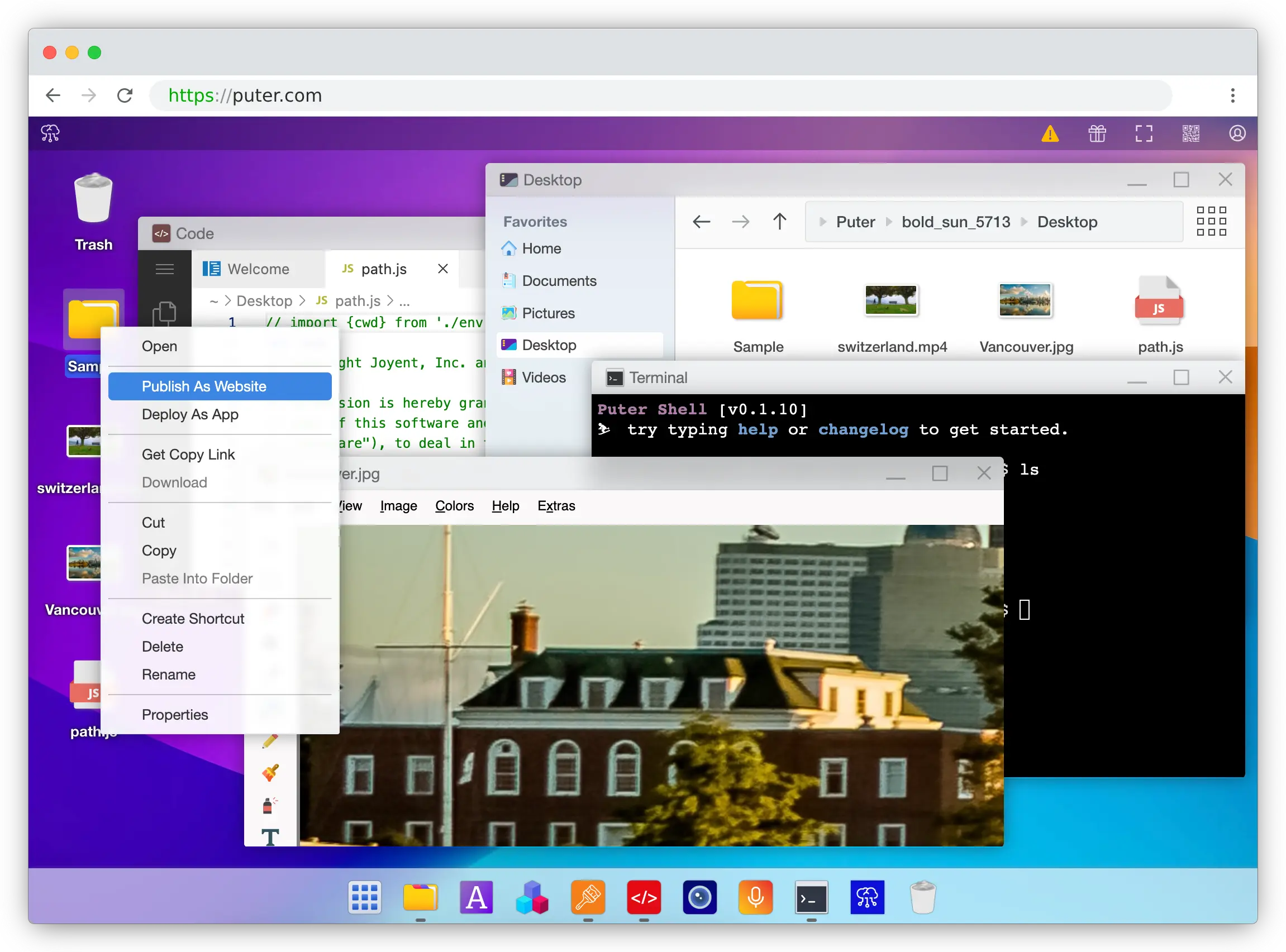
Puter is a free, open-source cloud operating system that runs in your browser. It offers free static site hosting, serverless workers, AI APIs, cloud storage, and a key-value database, all from a familiar desktop-like interface with no credit card required.
What Makes It Different
Puter pioneered the cloud OS approach to deployment: you drag your website folder into a browser-based file manager, right-click, and select "Publish as Website." No CLI, no buildpacks, no config files, no git setup. Your site goes live in seconds with a free puter.site subdomain and free SSL. This is fundamentally different from Heroku, where even the simplest deployment requires a credit card, a CLI install, and git configuration.
Through Puter.js, your app gets integrated AI APIs, object storage, and a key-value database from the same SDK, capabilities Heroku pushes out to its paid add-on marketplace (Heroku Postgres, Heroku Redis, third-party S3, and so on). Thanks to the User-Pays Model, your end users cover their own AI and storage costs through their Puter account, something Heroku has no equivalent for. And if you need a backend, Puter Workers add serverless functions with a simple router API.
Key Differences from Heroku
Puter is not a drop-in replacement for always-on container workloads. If your app depends on long-running background processes, persistent WebSockets on a single instance, or a traditional Rails/Django server running 24/7, Heroku-style PaaS is still a better fit. Puter shines for static sites, SPAs, JAMstack apps, and serverless backends, not for heavy stateful workloads.
Comparison Table
| Feature | Puter | Heroku |
|---|---|---|
| Free tier |  Generous, no credit card Generous, no credit card |
 Removed Nov 2022 Removed Nov 2022 |
| Starting price | Free | $5/mo (Eco) → $7/mo (Basic) |
| Deployment method | Drag-and-drop + one-click publish | Git push + CLI |
| Static site hosting | Free |
Limited |
| Serverless functions | Workers |
(long-running dynos only) |
| Long-running processes | |
|
| Free SSL | Included |
|
| Custom domains | |
|
| Built-in AI APIs | 400+ models |
|
| Built-in key-value DB | |
(add-on) |
| Built-in object storage | |
(add-on) |
| Add-on marketplace | |
180+ add-ons |
| Framework support | React, Next.js, Vue, Nuxt, Svelte, Angular, Astro, Flutter | Any language via buildpacks |
| Open source | |
|
| Platform status | Active development | Maintenance mode (Feb 2026) |
| User-pays model | Unique |
|
| Best for | Frontend devs shipping static + serverless apps for free | Teams committed to the traditional dyno model |
2. Vercel
Vercel is a frontend-first cloud platform built by the team behind Next.js. It's designed around modern JavaScript frameworks and pairs a global edge network with serverless and edge functions for dynamic routes.
What Makes It Different
Vercel is the best-in-class home for Next.js and React apps. Features like Incremental Static Regeneration (ISR), Image Optimization, Edge Middleware, and Fluid Compute are tuned for framework-aware deployment in a way Heroku never attempted. Every git push gets an automatic preview URL, every PR gets a deployment status check, and the platform detects and configures most frameworks with zero config.
Vercel also dominates the AI app space: their AI SDK has become a de facto standard for building streaming chat UIs, and Vercel AI Gateway provides unified access to hundreds of LLMs with built-in fallbacks.
Key Differences from Heroku
Vercel is serverless-first, which means no always-on containers, no background workers, and tight timeout limits (5 minutes max on Pro). If your Heroku app relies on long-running jobs, WebSocket servers, or traditional Rails/Django patterns, Vercel will require significant rearchitecting. The Hobby free tier is also restricted to non-commercial use, so freelance and client work requires the Pro plan starting at $20/user/month, plus overage charges for bandwidth and function invocations that can stack up quickly.
Comparison Table
| Feature | Vercel | Heroku |
|---|---|---|
| Free tier | Hobby (non-commercial only) |
|
| Starting price | $20/user/mo (Pro) | $7/mo (Basic dyno) |
| Deployment method | Git push (auto preview per PR) | Git push + CLI |
| Long-running processes | 5-min cap |
|
| Background workers | |
Worker dynos |
| Cron jobs | |
via Scheduler |
| Edge network | Global |
Regional only |
| Custom domains + SSL | |
|
| Preview deployments | Automatic per PR |
Limited |
| Framework support | Best-in-class Next.js | Any language via buildpacks |
| Managed database | Via partners (Neon, Upstash) | Heroku Postgres, Redis |
| Add-on marketplace | Integrations marketplace | 180+ mature add-ons |
| Commercial use on free tier | |
N/A |
| Per-seat pricing | ($20/seat) |
|
| Platform status | Active | Maintenance mode |
| Best for | Next.js/React teams building frontend-heavy apps | Teams running traditional server workloads |
3. Render
Render is a unified cloud platform positioned as the spiritual successor to Heroku. Founded in 2019 by a former Stripe engineer, it supports web services, background workers, cron jobs, static sites, and managed Postgres and Key-Value stores, all the primitives Heroku developers are used to.
What Makes It Different
Render is the most direct Heroku replacement on this list. Git push deploys work the same way, the mental model (web service + worker + database) is identical, and Blueprint specs are a more capable replacement for app.json. Crucially, Render includes features Heroku only offers in its enterprise Private Spaces tier: built-in private networking, service discovery, and IP access control come free on all paid plans.
Render also lifts some of Heroku's most frustrating limits. HTTP responses can take up to 100 minutes (Heroku hard-caps at 30 seconds), and Docker support is first-class (no wrestling with buildpacks). Comparable resources typically cost 50–80% less than on Heroku.
Key Differences from Heroku
The add-on ecosystem is much smaller. Heroku's 180+ add-on marketplace is one of the few things Render hasn't matched, so if your app depends on specific Heroku add-ons (Papertrail, New Relic, specialized Redis providers), you'll need replacements. Render's free tier also sleeps after 15 minutes of inactivity with a 30–60 second cold start, similar to Heroku's old free dynos but slower to wake.
Comparison Table
| Feature | Render | Heroku |
|---|---|---|
| Free tier | No credit card required |
|
| Starting price (web service) | $7/mo (Starter) | $7/mo (Basic) |
| Deployment method | Git push + Blueprints | Git push + app.json |
| Long-running processes | |
|
| Background workers | |
|
| Cron jobs | Built-in |
Via Scheduler add-on |
| Static site hosting | Free with CDN |
Limited |
| Managed Postgres | |
|
| Managed Key-Value (Redis) | |
(add-on) |
| Private networking | Included |
Enterprise only ($$$) |
| Docker support | First-class |
Via buildpacks |
| Max HTTP response time | 100 minutes | 30 seconds (hard limit) |
| Preview environments | |
(pipelines) |
| Add-on marketplace | Growing | 180+ mature add-ons |
| Platform status | Active | Maintenance mode |
| Best for | Teams migrating Heroku apps with minimal friction | Legacy Heroku apps already deeply integrated |
4. Cloudflare Pages / Workers
Cloudflare Workers and Pages are Cloudflare's serverless compute and static hosting products, running on V8 isolates across 300+ edge locations. Workers is where Cloudflare is putting all new investment, with Pages now in maintenance mode but still fully functional.
What Makes It Different
Workers runs your code at the edge by default, with millisecond cold starts thanks to V8 isolates (compared to container cold starts measured in seconds). The free tier is genuinely generous: 100,000 requests/day for Workers and unlimited bandwidth + unlimited requests for Pages static assets. The paid plan is a flat $5/month for 10 million Workers requests and 30 million CPU-ms, with no bandwidth charges on either tier.
Cloudflare has also built out a full-stack ecosystem: D1 (SQLite), KV (key-value), R2 (S3-compatible object storage with zero egress fees), Durable Objects (stateful compute), and Queues. A single Worker can serve a React app and an API from one deployment.
Key Differences from Heroku
Workers has no persistent filesystem, no long-running processes, and no always-on containers. CPU-time based billing rewards efficient code but punishes compute-heavy tasks like image processing or PDF generation. Migrating a traditional Heroku app requires significant rearchitecting: your Rails or Django server won't run on Workers, and your Postgres database will need to stay external (or migrate to Hyperdrive + a compatible provider). The language story is also narrower, mainly JavaScript/TypeScript, with Python in beta and WASM for everything else.
Comparison Table
| Feature | Cloudflare Workers/Pages | Heroku |
|---|---|---|
| Free tier | Very generous |
|
| Starting price | $5/mo (Workers Paid) | $7/mo (Basic) |
| Deployment method | Git integration or wrangler CLI | Git push |
| Edge network | 300+ locations |
Regional only |
| Cold starts | Milliseconds (V8 isolates) | Seconds (containers) |
| Long-running processes | CPU-limited |
|
| Bandwidth charges | None |
Included in dyno cost |
| Object storage | R2 (zero egress) |
Via add-ons |
| SQL database | D1 (SQLite) |
Postgres |
| Key-value store | KV |
Via Redis add-on |
| Stateful compute | Durable Objects |
(sticky dynos) |
| Cron jobs | Cron Triggers |
Via Scheduler |
| Preview deployments | |
(pipelines) |
| Languages | JS/TS (primary), Python (beta), WASM | Any via buildpacks |
| Platform status | Active, heavy investment | Maintenance mode |
| Best for | Edge-deployed serverless apps with global reach | Apps needing full language freedom and persistent state |
5. Firebase
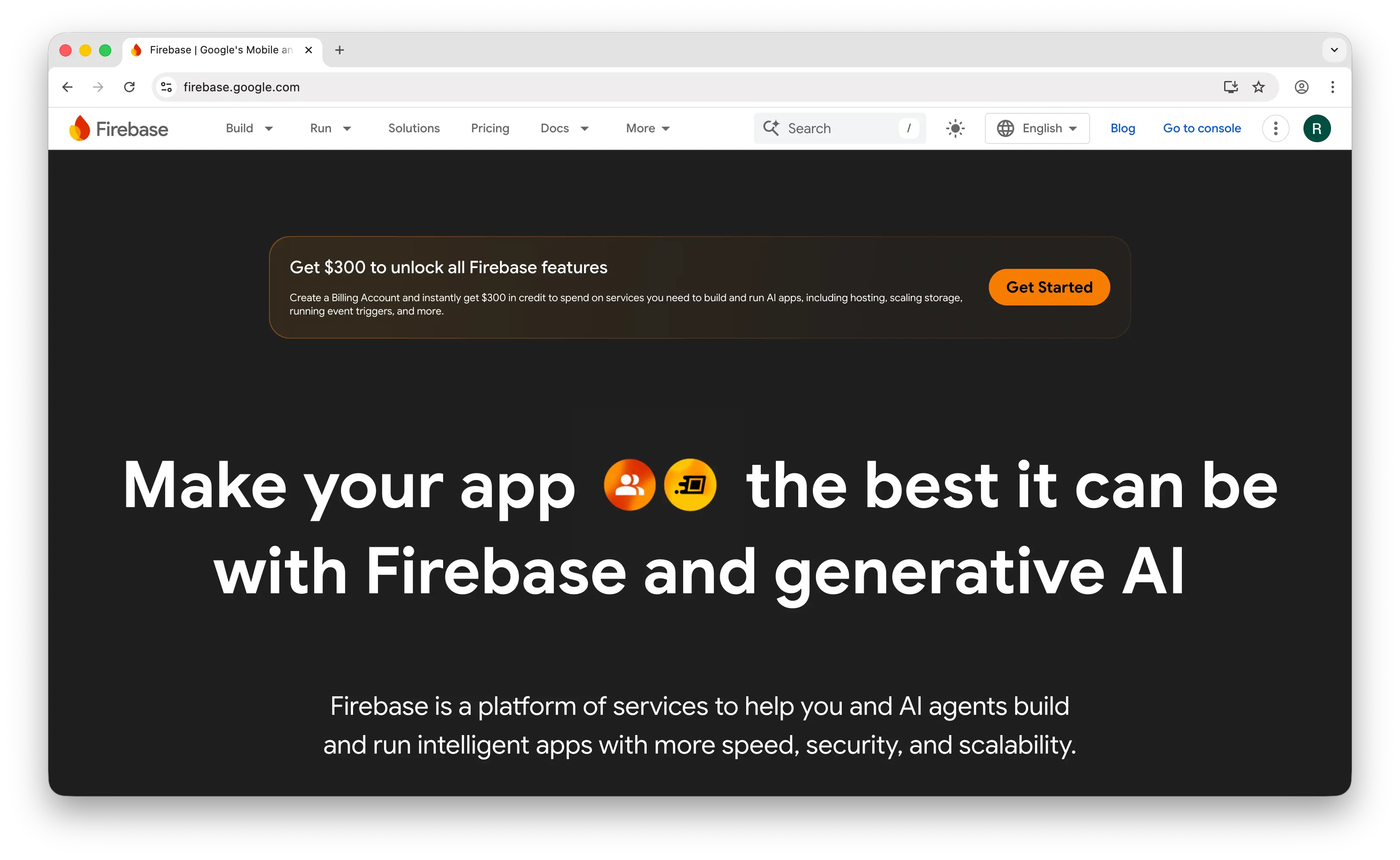
Firebase is Google's Backend-as-a-Service platform, offering authentication, Firestore and Realtime Database, Cloud Functions, Cloud Storage, Hosting, and push notifications (FCM) under one roof. It grew up serving mobile apps but works just as well for web.
What Makes It Different
Firebase is BaaS, not PaaS. Instead of bringing your own code and renting a container to run it, you consume pre-built backend services through SDKs. Need auth? Drop in the Firebase Auth SDK. Need a real-time database? Use Firestore. Need file uploads? Cloud Storage. You can ship a complete CRUD app without writing any backend code, something Heroku simply isn't designed to do.
The Spark (free) plan is genuinely usable for small production apps, with 50,000 Firestore reads/day, 20,000 writes/day, 10GB of hosting storage, and 2M Cloud Functions invocations per month. Mobile SDKs for iOS, Android, and Flutter are first-class.
Key Differences from Heroku
Firebase is opinionated and locked-in. You're not running Rails or Django; you're wiring up Google's services. Migrating away later is painful because your data model lives in Firestore's document structure and your auth state lives in Firebase Auth. Costs also scale unpredictably: the Blaze (pay-as-you-go) plan has no spending caps, and a viral app with read-heavy access patterns can jump from $5/mo to thousands overnight. Long-running background processes aren't possible either, Cloud Functions have strict timeout limits.
Comparison Table
| Feature | Firebase | Heroku |
|---|---|---|
| Free tier | Spark plan (no credit card) |
|
| Pricing model | Spark (free) + Blaze (pay-as-you-go) | Per-dyno monthly |
| Deployment model | BaaS (services via SDK) | PaaS (your code in containers) |
| Deployment method | Firebase CLI | Git push |
| Long-running processes | Functions time-limited |
|
| Auth included | |
DIY |
| Managed database | Firestore, Realtime DB |
Postgres (add-on) |
| Object storage | Cloud Storage |
Via add-ons |
| Push notifications | FCM free |
|
| Analytics | Free unlimited |
|
| Global CDN hosting | |
Limited |
| Mobile SDKs | First-class iOS/Android/Flutter |
|
| Spending caps | (Blaze) |
Predictable per-dyno pricing |
| Vendor lock-in | High (Google services) | Moderate (portable containers) |
| Platform status | Active | Maintenance mode |
| Best for | Mobile-first apps wanting a backend with zero code | Teams wanting full control of their server stack |
Which Should You Choose?
Choose Puter if you want to ship a static site or serverless app for free with zero setup, no credit card, and no commercial-use restrictions. The User-Pays model is ideal for developers who want to add AI and storage features without covering user costs.
Choose Vercel if you're building a Next.js or React app and want best-in-class framework integration with automatic preview deployments. Expect to pay per-seat once you need commercial use or team collaboration.
Choose Render if you're migrating a traditional Heroku app and want the least friction. It's the most direct 1:1 replacement, with the same web-service-plus-Postgres mental model and 50–80% lower costs for comparable resources.
Choose Cloudflare Workers / Pages if you want edge-deployed serverless compute with a generous free tier and the largest global network. The zero-egress R2 storage is unmatched for media-heavy apps.
Choose Firebase if you're building a mobile app or want to skip writing a backend entirely. The SDK-first approach and generous free tier make it ideal for MVPs, but watch the scaling costs carefully.
Stick with Heroku only if you have deep investment in add-ons, add-on-dependent workflows, or Heroku Connect for Salesforce integration and aren't ready to migrate. Keep in mind the platform is in maintenance mode and won't see new features going forward.
Conclusion
The top 5 Heroku alternatives are Puter, Vercel, Render, Cloudflare Pages/Workers, and Firebase. Each takes a different approach to replacing Heroku's git-push-to-deploy model, from Puter's browser-based cloud OS to Render's direct PaaS successor to Cloudflare's edge compute to Firebase's backend-as-a-service. With Heroku in maintenance mode as of February 2026, now is the right time to evaluate where your next app should live. Whichever platform you choose, the best option is the one that fits your stack, your budget, and the way you want to ship.
Related
- Getting Started with Puter.js
- How to Host a Website for Free
- Best Vercel Alternatives (2026)
- Top 5 Render Alternatives (2026)
- Top 5 Railway Alternatives (2026)
- Best Netlify Alternatives (2026)
- Top 5 Fly.io Alternatives (2026)
- Top 5 Firebase Alternatives (2026)
- Top 5 Supabase Alternatives (2026)
- Best Appwrite Alternatives (2026)
- Top 5 PocketBase Alternatives (2026)
- Best Neocities Alternatives (2026)
Ship a Full-Stack App with One Prompt
Create a to-do list app using Puter.js
Coding manually? see the guide